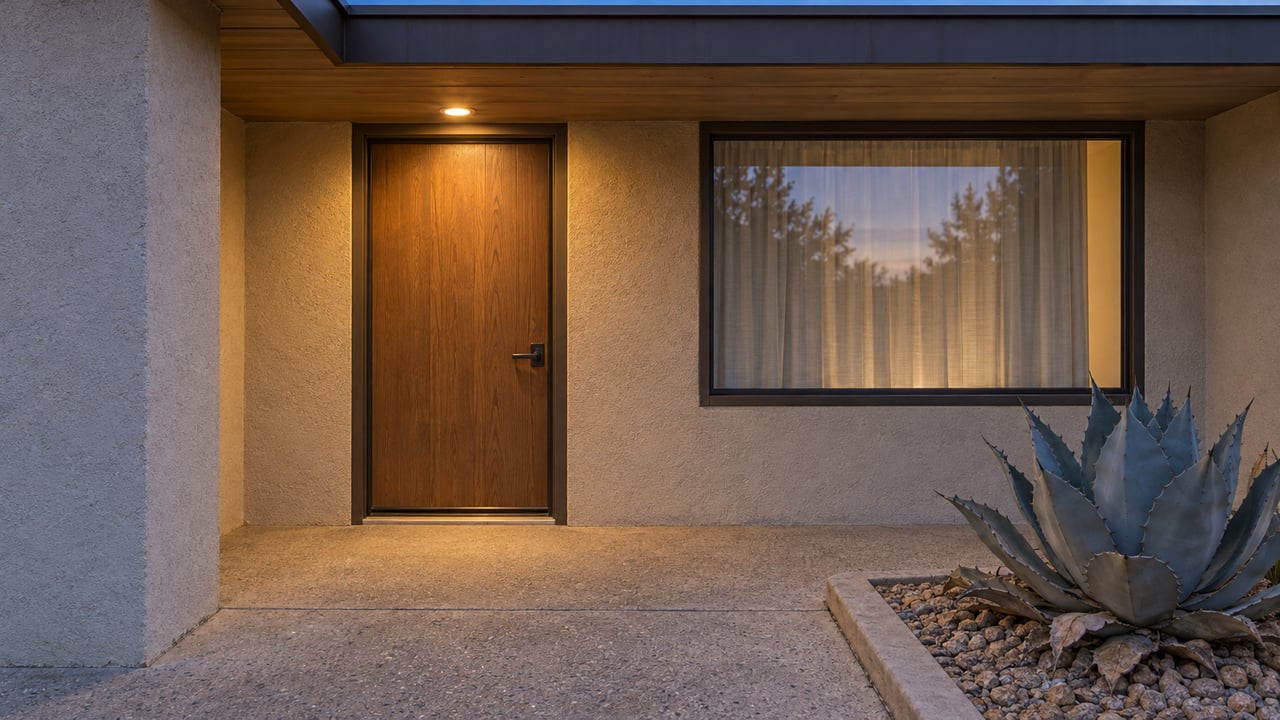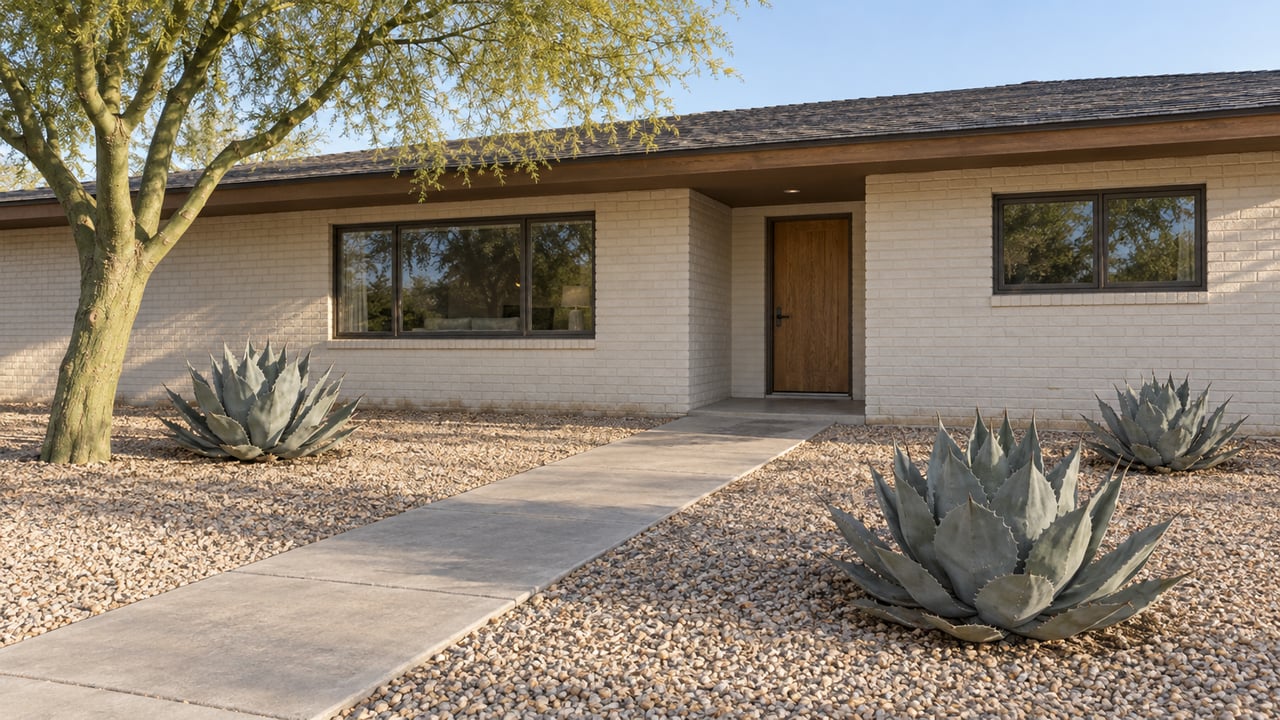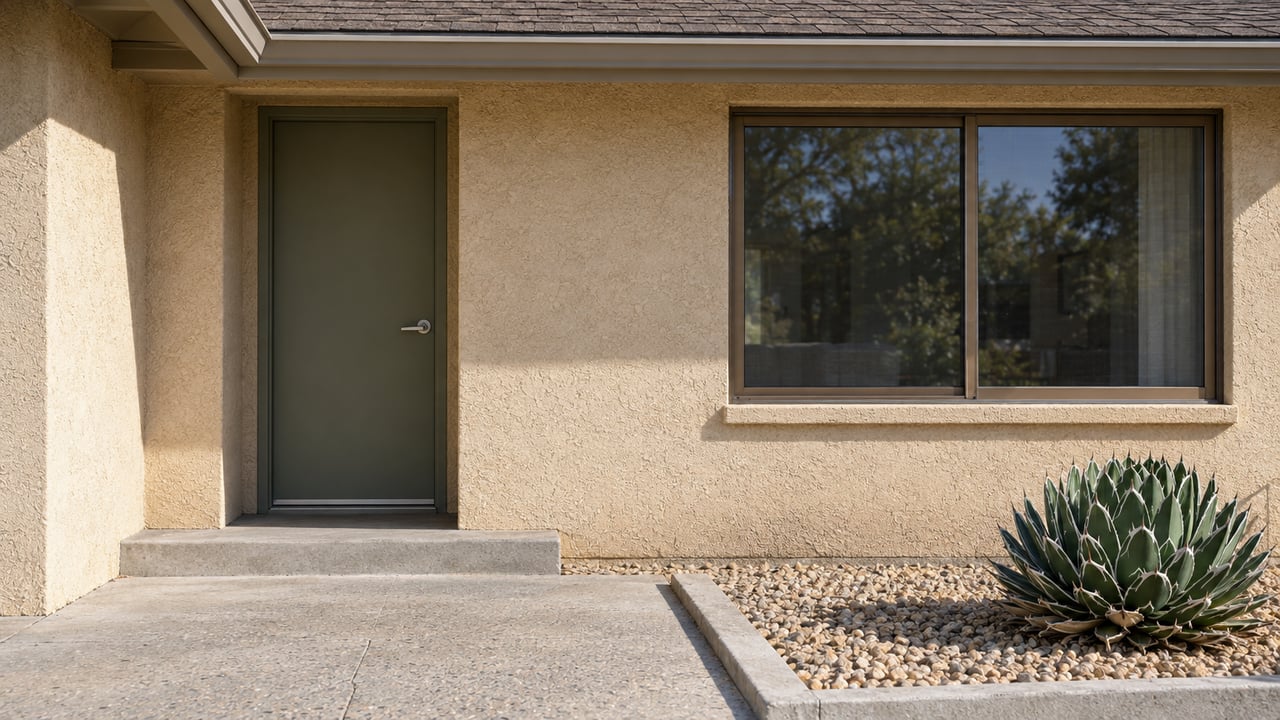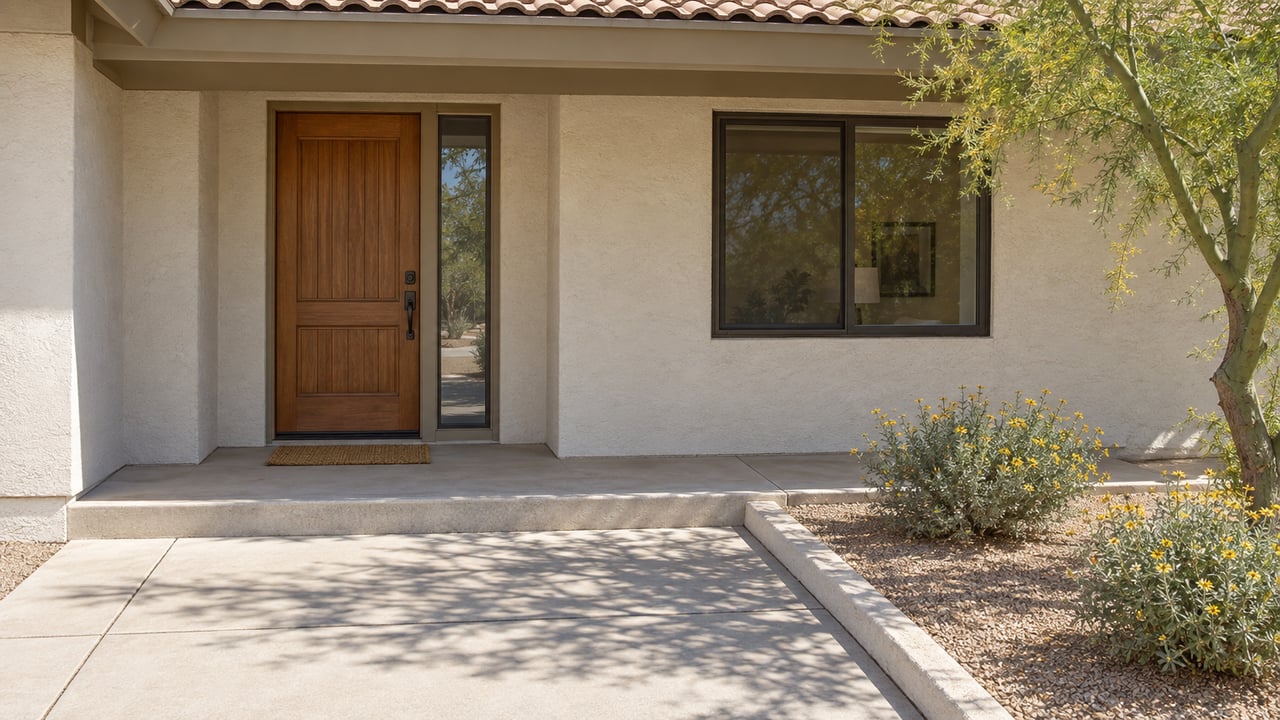
Wondering whether a Phoenix home inspection works the same way as it would in a milder climate? In the Valley, desert heat, monsoon storms, pools, and irrigation systems can make certain findings more important than buyers expect. If you want to know what the inspection covers, what often shows up in reports, and how to respond during your due-diligence window, this guide will help you prepare with more confidence. Let’s dive in.
How Phoenix home inspections work
In Arizona, a standard home inspection is a visual, non-exhaustive review completed by a certified home inspector under state standards adopted by the Board of Technical Registration effective May 25, 2024. The inspector uses a written agreement, reviews readily accessible systems and components, and provides a written report afterward. That report should explain what was inspected, what was not inspected, and any items that need immediate major repair or further evaluation.
For many single-family homes, the inspection itself usually takes about 2 to 4 hours. The report often arrives within 24 to 48 hours, and buyers are encouraged to attend. If you are under contract in Phoenix, attending can help you better understand which issues are routine maintenance and which ones may need faster follow-up.
Arizona REALTORS guidance notes that the buyer’s inspection period is typically 10 days after contract acceptance unless the contract states otherwise. That means timing matters. You usually need to schedule your inspection quickly, review the findings promptly, and make any repair decisions before that window closes.
What a Phoenix inspection covers
Arizona inspection standards focus on visible and readily accessible components. That generally includes structural elements, exterior features, roofing, plumbing, electrical, heating, cooling, interior components, and insulation and ventilation. In plain terms, the inspector is looking for visible defects, performance concerns, and signs that a major system may need repair or more evaluation.
Just as important, a home inspection has limits. It is not an appraisal, it does not verify code compliance, and it does not determine market value, life expectancy, or whether you should buy the home. Inspectors also are not required to provide warranties or repair cost estimates.
That distinction matters because buyers sometimes expect the report to answer every question. In reality, the inspection is a strong first step, not the final word on every technical issue. If something falls outside a general visual review, you may need a licensed contractor or specialist to take a closer look.
Why Phoenix buyers should pay extra attention
Phoenix homes face conditions that can put more stress on certain systems than buyers from other climates might expect. Extreme summer heat makes cooling performance a top concern, while monsoon storms can expose weaknesses in roofing, drainage, and exterior sealants. If a property also has a pool, spa, or irrigation system, those features can add another layer of due diligence.
A Phoenix inspection report may include findings that sound minor at first, but the local climate can make them more meaningful. A worn seal around a window, a drainage issue near the foundation, or weak cooling in one room can deserve more attention here than it might in a less demanding environment.
HVAC and cooling matter in Phoenix
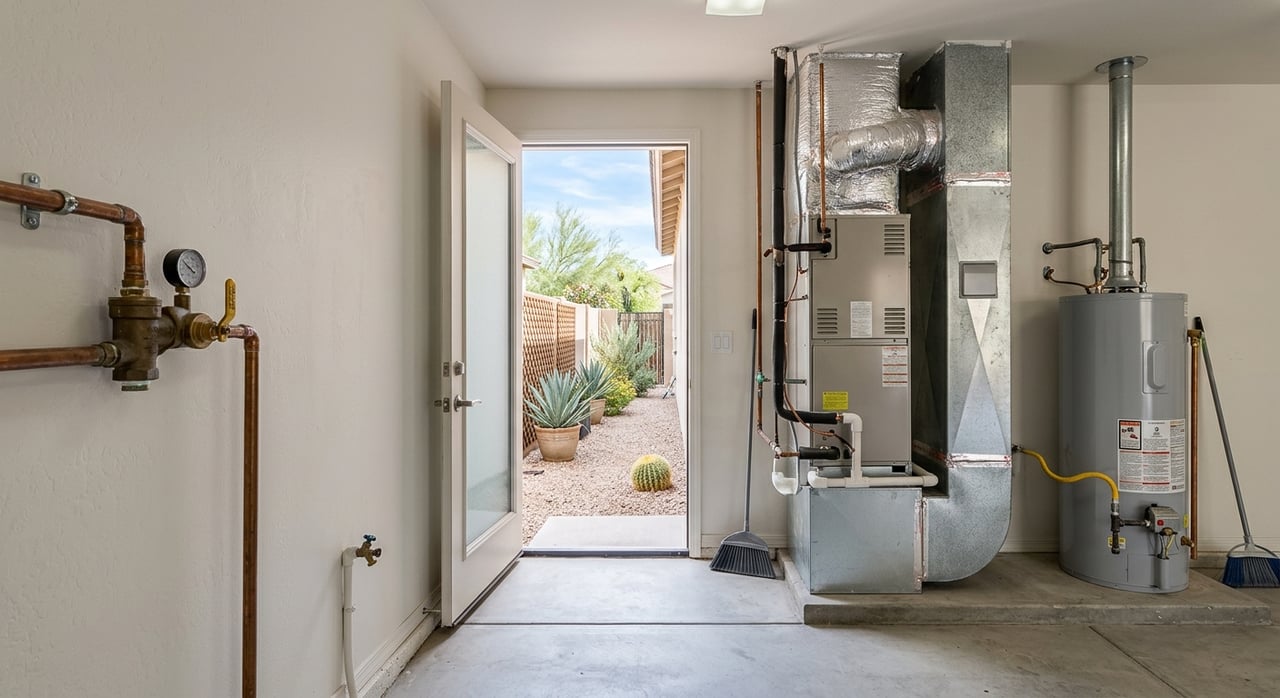
Heat is a serious safety issue in Arizona, and Phoenix summers put cooling systems under heavy demand. Arizona standards require inspectors to observe cooling equipment, normal controls, distribution systems, air filters, and whether each habitable space has an installed cooling source. That makes the HVAC section of your report one of the most important parts to review carefully.
If the report notes weak airflow, inconsistent cooling, dirty filters, or concerns about the system’s operation, do not brush that off. Even if the system is technically operating, poor performance can become a much bigger problem during the hottest months. If there is any uncertainty, a licensed HVAC professional may be the right next call during your inspection period.
Roofs, stucco, and drainage deserve a closer look
Phoenix monsoon season runs from June 15 through September 30, with storms typically peaking between mid-July and mid-August. The City of Phoenix recommends cleaning roof drains or scuppers, drywells, and landscaping before storms so water flows away from the building. In that setting, drainage and water management become especially important during a home inspection.
Arizona standards require inspectors to examine roof coverings, visible roof drainage, flashings, skylights and other penetrations, wall cladding, grading, drainage, and signs of leaks or condensation. For buyers, that means details like roof-to-wall transitions, stucco cracking or staining, and failed sealant around windows or penetrations may deserve extra follow-up when they suggest possible moisture intrusion.
Not every crack or stain means there is a major issue. Still, visible water staining, drainage that directs water toward the structure, or roof-related concerns should be taken seriously. In a monsoon-prone market, small water-entry issues can become larger repair items if left unresolved.
Pools and spas need separate attention
In Phoenix, many homes have pools or spas, and buyers should know that these systems have their own inspection standards. Arizona’s pool and spa standards cover items such as pumps, motors, skimmers, filters, drains, heaters, automatic safety controls, visible piping and valves, child-safe barriers, and entrapment-prevention components.
At the same time, there are limits to what that review includes. The standards do not require the inspector to judge water chemistry, shell leaks, or whether barriers comply with local code. Because of that, pool findings often need a separate specialist or code review if there are concerns.
Phoenix Water also recommends using a pool cover to reduce evaporation and checking for leaks at the auto-refill device, pool pump, and outdoor water line. If the inspection report mentions worn pool equipment, damaged safety components, or visible leaks, it is smart to investigate those items further before your inspection period ends.
Irrigation and outdoor water systems matter more here
In a desert market, outdoor water systems are not just a landscaping detail. Phoenix Water advises homeowners to check sprinkler systems for leaks at least four times a year and review irrigation lines, emitters, sprinklers, bubblers, hose bibs, and hose lines. That guidance matters because hidden leaks or waste can lead to larger problems over time.
A standard home inspection may note visible irrigation concerns, but it may not fully diagnose underground issues or every source of water loss. If you see signs of wet soil, unexplained pooling, or repeated comments about irrigation leaks, that can justify a closer look from the right specialist.
What to expect in the inspection report
Most Phoenix buyers should expect a mix of maintenance notes, wear-and-tear comments, and a few items that may need further evaluation. Common report themes often involve cooling equipment and filters, roof drainage and flashing, exterior cladding and sealants, pool equipment and safety components, and irrigation leaks. That does not automatically mean the home is a bad purchase.
In many cases, the report helps you separate routine upkeep from meaningful defects. Arizona inspection standards are visual and not technically exhaustive, so some findings may be listed as items to monitor rather than firm diagnoses. That is normal, and it is one reason the report should be read as a decision-making tool rather than a pass-fail scorecard.
If the report mentions recurring leaks, weak cooling, damaged pool safety components, or visible water staining, those are often the kinds of issues worth addressing quickly. The next step may be getting a licensed contractor or specialist involved while you are still within your due-diligence timeline.
How to think about repair requests
Arizona REALTORS guidance explains that before the inspection period expires, the buyer may deliver a signed notice of items disapproved and then choose either to cancel or let the seller correct or address those items. The notice should clearly list the disapproved items. If the seller agrees to repairs, the work should be completed in a workmanlike manner.
Arizona REALTORS also notes that repairs over $1,000, non-casual or minor work, or work requiring a permit should be done by a licensed contractor. That is helpful context when you are deciding what to request and how specific to be.
For most buyers, the strongest repair requests focus on safety, function, or major defects rather than cosmetic items. Since inspection standards do not center on appearance, market value, or purchase advisability, your best strategy is usually to prioritize issues that affect how the home operates or that could become expensive if ignored.
A simple buyer strategy for Phoenix inspections
If you are buying in Phoenix, it helps to go into the inspection with a plan. The process tends to move fast, and desert-specific systems can require extra attention. Keeping your focus on the most important categories can make the report feel much more manageable.
Here is a practical way to approach it:
- Schedule the home inspection as early as possible in your inspection period.
- Attend the inspection if you can so you can ask questions in real time.
- Review the HVAC section carefully, especially cooling performance and airflow.
- Look closely at roof drainage, flashing, stucco, sealants, and any water staining.
- If the home has a pool or spa, consider whether a separate pool specialist is needed.
- Pay attention to irrigation and outdoor water-related comments.
- Separate cosmetic items from issues tied to safety, function, or major repair.
- Bring in licensed specialists when the report recommends further evaluation.
- Make repair decisions before your inspection deadline expires.
Why local guidance helps
A Phoenix inspection report can feel overwhelming, especially if this is your first purchase or if the home has systems you have never owned before. The key is not trying to turn every comment into a crisis. It is understanding which findings are routine, which deserve specialist follow-up, and which items may be worth addressing in your contract response.
That is where calm, responsive guidance can make a real difference. When you have someone helping you keep the timeline on track and think through repairs in a practical way, you can move forward with a lot more clarity and less stress.
If you are getting ready to buy in the Valley and want step-by-step support through inspections, negotiations, and the full due-diligence process, connect with Kelleigh Evans for clear Arizona guidance and a responsive plan tailored to your move.
FAQs
What does a Phoenix home inspection usually include?
- A Phoenix home inspection usually includes a visual review of readily accessible structural, exterior, roofing, plumbing, electrical, heating, cooling, interior, and insulation or ventilation components.
How long does a Phoenix home inspection take?
- A Phoenix single-family home inspection often takes about 2 to 4 hours, and the written report commonly arrives within 24 to 48 hours.
How many days do Phoenix buyers usually have for inspections?
- Under Arizona REALTORS guidance, the buyer’s inspection period is typically 10 days after contract acceptance unless the contract states otherwise.
Should Phoenix buyers attend the home inspection?
- Yes, buyers are encouraged to attend because it can help you understand the home’s systems, ask questions, and better interpret the written report.
What Phoenix inspection issues matter most in the desert?
- In Phoenix, buyers should pay close attention to cooling performance, roof drainage, flashing, stucco or sealant concerns, pool equipment and safety components, and visible irrigation leaks.
Does a Phoenix home inspection include pool code compliance?
- No, Arizona pool and spa inspection standards do not require the inspector to determine whether barriers comply with local code, so buyers should investigate pool barrier rules separately during due diligence.
Can Phoenix buyers ask for repairs after the inspection?
- Yes, before the inspection period expires, buyers may deliver a signed notice of items disapproved and then choose to cancel or allow the seller to correct or address those items.
When should a Phoenix buyer bring in a specialist?
- A Phoenix buyer should bring in a specialist when the general inspection identifies concerns that go beyond a visual review, such as recurring leaks, weak cooling, damaged pool safety components, or other items needing further evaluation.