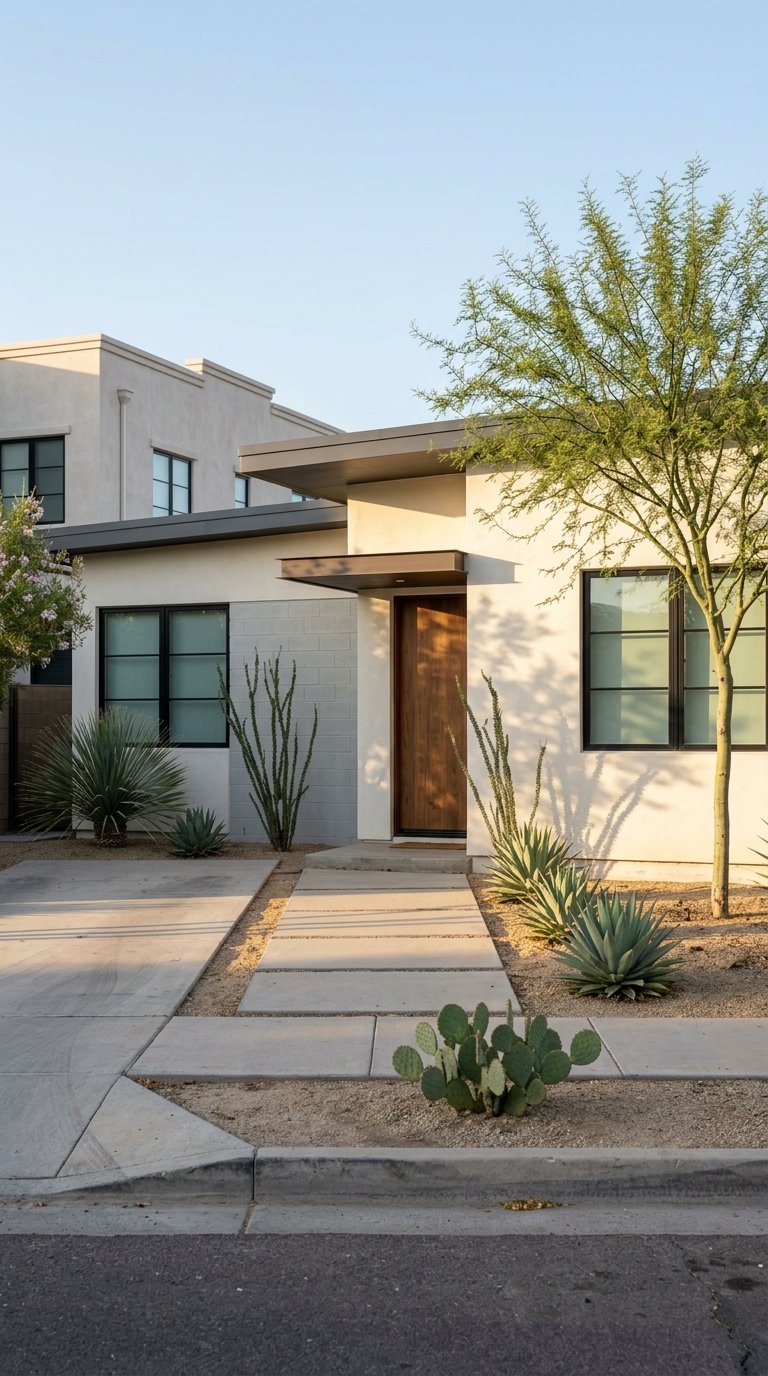
If you are trying to choose between central Phoenix and the suburbs, you are really choosing between two different daily rhythms. One may fit your work, commute, housing style, and weekend routine better than the other. The good news is that Phoenix offers both, and understanding how each one feels day to day can help you narrow your search with more confidence. Let’s dive in.
Central Phoenix Daily Life at a Glance
Central Phoenix includes the downtown core and nearby districts such as Encanto, Alhambra, Midtown and Uptown, Roosevelt Row, and Melrose. City planning materials describe this area as Phoenix’s urban center and transportation hub, with a mix of residential, commercial, and office uses.
In practical terms, that often means a faster-paced, more connected routine. You may live closer to restaurants, shops, arts districts, and transit options, with daily errands feeling more clustered together instead of spread across long drives.
Suburban Phoenix Daily Life at a Glance
Phoenix’s outer villages have a more suburban feel, though each area is different. Planning documents describe places like Ahwatukee Foothills, Deer Valley, Desert View, and Laveen as areas with more low-rise housing, single-family neighborhoods, larger lots in some sections, and strong freeway access.
Your day-to-day life in these areas is often more car-based. At the same time, you may be closer to trail systems, open space, and master-planned neighborhoods, which can be a strong advantage if outdoor access and room to spread out matter to you.
Housing Style and Neighborhood Feel
Central Phoenix Homes
In central Phoenix, you are more likely to see older homes, historic districts, mid-century design, ranch-style homes in some neighborhoods, and a more compact mix of housing types. The city notes that many central neighborhoods include historic districts and tree-lined streets, while areas like Encanto include mid- and high-density residential development.
That can appeal to buyers who want character, architectural variety, or a location close to the city core. It can also mean a neighborhood feel that changes block by block, with calmer residential pockets mixed near busier commercial corridors.
Suburban Phoenix Homes
In the outer villages, the housing mix tends to lean more toward single-family homes, master-planned communities, and larger lots in some areas. Ahwatukee is described by the city as a low-rise, master-planned single-family area, while Desert View includes everything from condos near Loop 101 to large-lot and equestrian properties farther out.
If you picture daily life with more separation between homes, newer subdivision patterns, or more room for parking and outdoor space, suburban Phoenix may feel more aligned. Still, it is important to remember that not every suburban area looks the same.
Phoenix Is Not a Simple Split
One of the biggest mistakes buyers make is assuming central always means dense and suburban always means spread out. Phoenix is more layered than that.
For example, Desert View includes both higher-density areas near Loop 101 and more rural land uses farther out. Central Phoenix, meanwhile, still has quieter residential sections that feel very different from the downtown core.
Commute and Getting Around
Central Phoenix Mobility
Central Phoenix is the city’s most transit-connected area. Valley Metro Rail now includes 35 miles of light rail, 49 stations, two lines, and service 365 days a year for more than 20 hours a day. The Downtown Hub connects the A and B lines, and the city also identifies Central City as a transportation hub with freeway access, public transit, and proximity to Sky Harbor International Airport.
For you, that can translate into more flexibility. You may still use a car for many trips, but in central neighborhoods, a car-light routine can be more realistic than it is in outer areas.
Suburban Phoenix Mobility
In suburban Phoenix villages, driving usually plays a bigger role in everyday life. Ahwatukee highlights access to downtown Phoenix and the East Valley via I-10, Deer Valley emphasizes regional freeway access, Desert View sits along Loop 101, and Laveen benefits from proximity to downtown and the South Mountain Freeway Extension.
That setup can work very well if you value easy freeway access and do not mind driving between work, errands, dining, and recreation. It simply creates a different routine than living near the urban core.
Parks, Trails, and Outdoor Routine
Phoenix offers strong outdoor access in both settings. The city has more than 180 parks, more than 41,000 acres of desert parks and mountain preserves, and more than 200 miles of trails.
The difference is usually not whether you can get outside. It is more about how close that outdoor access feels to your daily routine.
Outdoor Access in Central Phoenix
A key advantage of central Phoenix is proximity to major recreation areas near the core. Papago Park is just minutes from downtown, and the city notes that the trail system connects recreation destinations such as Papago Park, the Desert Botanical Garden, and the Phoenix Zoo.
If you want city living without giving up nearby outdoor time, this can be a meaningful plus. Weekend plans may feel easy to put together without a long drive across town.
Outdoor Access in Suburban Phoenix
Outer villages often offer a more immediate connection to open space, neighborhood recreation, and preserve access. Ahwatukee is closely tied to hiking, biking, walking, South Mountain access, and golf. Desert View includes biking, walking, equestrian, and multi-use trails, while Laveen is noted for mountain access and a more open feel.
North Phoenix also includes the Sonoran Preserve, which spans more than 9,600 acres and 36 miles of trails. If your ideal routine includes frequent trail time before or after work, suburban Phoenix may be the better fit.
Dining, Shopping, and Errands
Central Phoenix Convenience
Central Phoenix tends to offer the densest concentration of restaurants, small-scale retail, and gathering spots. The city’s Eat Local guide describes Roosevelt Row and Grand Avenue as walkable arts districts with restaurants, bars, and shops, while Melrose is known for locally owned antique shops and boutiques. Visit Phoenix also identifies CityScape as a downtown hub for dining, entertainment, nightlife, and shopping, and notes that Midtown and Uptown continue to grow as eat, drink, and shop destinations.
For your daily life, this often means shorter hops between coffee, dinner, errands, and social plans. If you enjoy having a range of options close together, central Phoenix usually offers more of that pattern.
Suburban Phoenix Convenience
In suburban Phoenix, convenience often shows up in larger destination centers rather than many smaller walkable blocks. Desert Ridge Marketplace is a strong example, combining shopping, restaurants, fitness options, and entertainment in one outdoor center near Loop 101. The city also describes Desert View as having retail and office space near its urban core.
This can be very efficient if you prefer knocking out several errands in one stop. It is typically a more drive-first lifestyle, but one that can still be convenient in a different way.
Which Lifestyle Fits You Best?
If you are deciding between central Phoenix and the suburbs, the right answer often comes down to your daily priorities rather than a simple map search.
Central Phoenix may fit you better if you want:
- Older or historic housing styles
- More dining and retail close together
- Better transit access
- A routine that feels more connected to the city core
Suburban Phoenix may fit you better if you want:
- More single-family housing options
- Master-planned neighborhoods or larger lots in some areas
- Strong freeway access
- Closer day-to-day access to trails, preserves, and open space
Focus on the Exact Area
The biggest takeaway is that Phoenix is not one-size-fits-all. A central neighborhood can feel quiet and residential, while an outer village can include denser housing and major shopping nodes.
That is why it helps to look beyond labels and compare the exact area where you may live. When you match your home search to your real daily routine, your decision usually gets much clearer.
If you want help comparing central Phoenix with specific suburban areas based on commute, housing type, and lifestyle goals, Kelleigh Evans can help you sort through the options and make a confident plan.
FAQs
How does daily life in central Phoenix compare to suburban Phoenix?
- Central Phoenix usually offers more transit access, denser dining and retail, and a more connected city feel, while suburban Phoenix often offers more single-family housing, freeway-based convenience, and closer everyday access to trails and open space.
What types of homes are common in central Phoenix neighborhoods?
- Central Phoenix often includes older homes, historic districts, postwar ranch-style homes in some areas, mid-century design influences, and a more compact mix of single-family and multifamily housing.
What types of homes are common in suburban Phoenix areas?
- Suburban Phoenix areas commonly include single-family homes, master-planned communities, and in some locations larger lots, with some areas also offering condos or mixed-density housing near major roadways and retail nodes.
Is central Phoenix better for commuting without a car?
- Central Phoenix is the most transit-connected part of the city, with access to Valley Metro Rail, freeway connections, and proximity to Sky Harbor, so a car-light routine is generally more feasible there than in outer villages.
Are suburban Phoenix neighborhoods closer to trails and preserves?
- Many outer Phoenix villages have strong access to hiking, biking, walking, and preserve areas, including South Mountain access in Ahwatukee and the Sonoran Preserve in North Phoenix.
Is Phoenix really split between urban and suburban living?
- Not completely. Phoenix has a lot of variation, and both central and outer areas can include a mix of housing density, retail patterns, and neighborhood feel depending on the exact location.